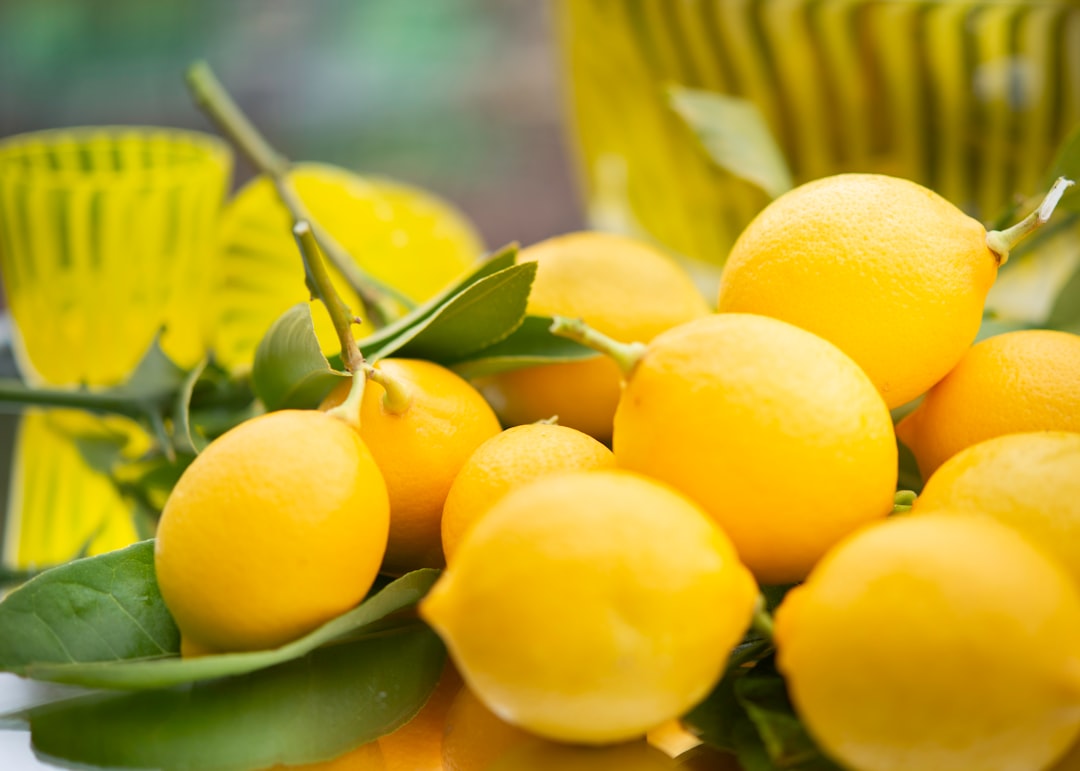
As we embark on the delightful journey of traditional marmalade making, we find ourselves immersed in a time-honoured craft that has been cherished for generations. Marmalade, with its unique blend of sweetness and tanginess, has a special place in our hearts and on our breakfast tables. The process of creating this beloved preserve is not merely about the end product; it is an experience that connects us to our culinary heritage and allows us to engage with the natural world around us.
The rhythmic chopping of citrus, the bubbling of the pot, and the intoxicating aroma that fills our kitchens all contribute to the joy of making marmalade. In this article, we will explore the various stages of traditional marmalade making, from selecting the finest citrus fruits to the final steps of storage. Each phase is an opportunity for us to express our creativity and personal taste, ensuring that our homemade marmalade is not only delicious but also a reflection of our individual preferences.
As we delve into this process, we will uncover tips and techniques that can elevate our marmalade-making skills, allowing us to create a preserve that is both satisfying to make and delightful to share.
Summary
- Traditional marmalade making is a time-honoured craft that requires patience and attention to detail.
- When selecting citrus fruits for marmalade, choose ones that are ripe, fragrant, and free from blemishes.
- Preparing the citrus fruits for marmalade involves washing, slicing, and removing the seeds and pith to achieve the perfect balance of sweetness and bitterness.
- Cooking and setting the marmalade requires careful monitoring of temperature and consistency to achieve the desired texture and flavour.
- Sterilizing and storing the marmalade is essential for preserving its freshness and flavour, and can be done using simple techniques at home.
Selecting the Best Citrus Fruits for Marmalade
The Classic Choice
The classic choice for traditional marmalade is the Seville orange, renowned for its tartness and high pectin content. This variety provides the perfect balance of sweetness and acidity, resulting in a vibrant and zesty preserve.
Experimenting with Other Citrus Fruits
However, we should not limit ourselves solely to Seville oranges; experimenting with other citrus fruits can lead to exciting new flavours. Grapefruits, lemons, limes, and even mandarins can be combined or used individually to create unique variations of marmalade that reflect our personal tastes. As we choose our fruits, it is essential to look for those that are fresh and free from blemishes.
Selecting the Best Ingredients
The quality of our ingredients will directly impact the final product, so we should take care to select citrus that is firm and fragrant. Organic options are often preferable, as they tend to have a more robust flavour and fewer pesticides. Additionally, we might consider sourcing our fruits from local markets or farms, supporting sustainable practices while enjoying the freshest produce available.
By taking the time to select the best citrus fruits, we set the foundation for a truly exceptional marmalade.
Preparing the Citrus Fruits for Marmalade
Once we have gathered our citrus fruits, the next step is preparation. This stage is crucial as it determines the texture and flavour profile of our marmalade. We begin by thoroughly washing the fruits to remove any wax or residues that may be present on their skins.
After rinsing, we can slice the fruits in half and juice them, ensuring that we capture every drop of their tangy essence. The juice will contribute to the overall flavour while also providing some natural sweetness. Next, we turn our attention to the peels.
The zest of citrus fruits contains essential oils that impart a fragrant aroma and a burst of flavour to our marmalade. We can use a zester or a vegetable peeler to remove the outer layer of the skin, being careful not to include too much of the bitter white pith beneath. Once we have zested our fruits, we can slice the peels into thin strips or julienne them, depending on our desired texture.
This step not only enhances the visual appeal of our marmalade but also ensures that each spoonful is filled with delightful bursts of citrus goodness.
Cooking and Setting the Marmalade
With our prepared citrus fruits at hand, we can now move on to the cooking process. We begin by combining the juice, zest, and sliced fruit in a large pot, adding water to cover the mixture. As we bring it to a gentle boil, we can feel the anticipation building as the vibrant colours and aromas fill our kitchen.
It is during this stage that we must pay close attention to cooking times; allowing the mixture to simmer for an adequate period helps soften the fruit and release its natural pectin. Once we have achieved a soft consistency, it is time to add sugar. The amount of sugar we use will depend on our personal preference and the sweetness of our chosen fruits.
As we stir in the sugar, we should ensure it dissolves completely before increasing the heat to bring the mixture back to a rolling boil. This is where the magic happens; as the marmalade cooks, it thickens and transforms into a glossy preserve. To test if it has reached setting point, we can use a simple method: drop a spoonful onto a cold plate and run our finger through it.
If it holds its shape and does not run back together, we know it is ready for jarring.
Sterilising and Storing the Marmalade
Once our marmalade has reached its desired consistency, we must turn our attention to sterilising jars for storage. This step is vital in ensuring that our homemade preserve remains safe and delicious for months to come. We can begin by washing our jars in hot soapy water before rinsing them thoroughly.
To sterilise them effectively, we can place them in an oven set at 120 degrees Celsius for about 15 minutes or boil them in water for 10 minutes. This process eliminates any bacteria that could spoil our marmalade. After sterilising, we carefully ladle the hot marmalade into the prepared jars while it is still warm.
It is important to leave a small gap at the top of each jar to allow for expansion as it cools. Once filled, we can seal each jar with a lid while ensuring they are airtight. As they cool down, we may hear delightful popping sounds as the vacuum seal forms—a satisfying indication that our hard work has paid off.
Properly stored in a cool, dark place, our homemade marmalade can last for up to a year, allowing us to enjoy its bright flavours long after citrus season has passed.
Variations and Flavourings for Homemade Marmalade
While traditional marmalade made from Seville oranges holds a special place in our hearts, there are countless variations and flavourings that we can explore to create unique preserves tailored to our tastes. One popular option is adding spices such as ginger or cinnamon during the cooking process. These spices can enhance the warmth and complexity of our marmalade, making it an ideal accompaniment for winter breakfasts or festive gatherings.
We might also consider incorporating other fruits into our marmalade for added depth of flavour. For instance, combining blood oranges with lemons creates a stunningly vibrant preserve with a rich colour and unique taste profile. Alternatively, adding berries such as raspberries or strawberries can introduce a delightful sweetness that balances out the tartness of citrus.
By experimenting with different combinations and flavourings, we can create an array of marmalades that reflect not only seasonal ingredients but also our culinary creativity.
Creative Ways to Use Homemade Marmalade
Once we have crafted our delicious homemade marmalade, we may find ourselves wondering how best to enjoy it beyond simply spreading it on toast. The versatility of marmalade opens up a world of culinary possibilities that can elevate both sweet and savoury dishes alike. For instance, we can use it as a glaze for roasted meats or vegetables, adding a touch of sweetness that caramelises beautifully during cooking.
In addition to savoury applications, homemade marmalade can also be incorporated into desserts. We might swirl it into yogurt or use it as a filling for cakes and pastries. A spoonful of marmalade can transform a simple cheesecake into an elegant dessert when drizzled over the top before serving.
Furthermore, mixing it into salad dressings or marinades can add an unexpected burst of flavour that enhances even the most basic dishes. The possibilities are truly endless when it comes to using our homemade marmalade creatively.
Tips and Tricks for Perfect Homemade Marmalade
As we refine our marmalade-making skills, there are several tips and tricks that can help us achieve perfection in every batch. One key piece of advice is to always use fresh ingredients; overripe or damaged fruit can lead to undesirable flavours and textures in our final product. Additionally, keeping track of cooking times is essential; undercooked marmalade may not set properly while overcooked versions can become too thick or caramelised.
Another helpful tip is to invest in a good quality thermometer to monitor temperatures accurately during cooking. This ensures that we reach the ideal setting point without guesswork. We should also remember that patience is vital; allowing our marmalade to cool completely before storing will help maintain its texture and flavour integrity.
By following these tips and embracing experimentation in our approach, we can continue to improve our homemade marmalade-making skills while enjoying every step of this delightful process.
If you’re a busy entrepreneur looking to make your own traditional marmalade, you may want to check out this article on