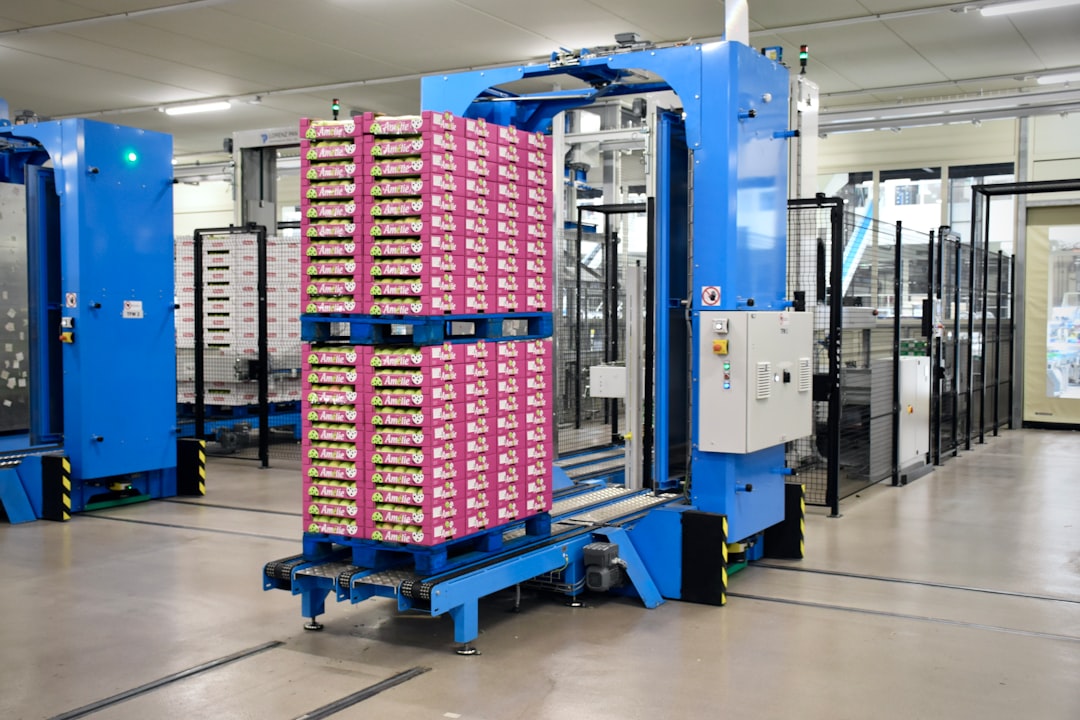
The automation of business processes has become a critical consideration for organisations seeking to enhance efficiency and scalability. This article explores strategies for implementing automation without compromising the quality of products or services. It addresses key areas such as identifying suitable processes for automation, technology selection, implementation methodologies, and ongoing quality assurance.
Before embarking on an automation journey, it is imperative to possess a clear understanding of what automation entails within a business context and its potential ramifications. Automation is not merely about replacing human tasks with machinery; it is a strategic rethinking of workflows.
Defining Business Process Automation (BPA)
Business Process Automation (BPA) refers to the use of technology to execute recurring tasks or multi-step workflows. This can range from simple data entry to complex decision-making processes. The primary objective is to streamline operations, reduce manual effort, and improve consistency. Examples include automated customer support chatbots,
AI-driven inventory management, or robotic process automation (RPA) for administrative tasks.
The Myth of Quality Erosion
A common misconception is that automation inherently leads to a decline in quality. This concern often stems from a fear that human nuance and judgment, perceived as integral to quality, cannot be replicated by machines. However, properly implemented automation can enhance quality by eliminating human error, improving adherence to standards, and freeing up human resources to focus on more complex, value-adding activities. The key lies in strategic application and meticulous oversight. Think of a master craftsman using a precision tool – the tool enhances the quality of the output, rather than diminishing it, because it is used for specific, repetitive tasks where precision is paramount, allowing the craftsman to focus on the artistic and custom elements.
Identifying Processes for Automation
The success of any automation initiative hinges on the judicious selection of processes. Not all processes are suitable for automation, and attempting to automate unsuitable ones can lead to inefficiencies, cost overruns, and a decline in quality.
Criteria for Automation Suitability
When evaluating processes for automation, several criteria should be considered:
- Repetitive and Rule-Based: Processes that involve predictable, repeatable steps and clearly defined rules are prime candidates. Tasks that require subjective judgment, creativity, or empathy are generally less suitable.
- High Volume: Processes executed frequently benefit most from automation, as the gains in efficiency accumulate rapidly.
- Time-Consuming: Tasks that consume significant human time, preventing employees from engaging in more strategic work, are good targets.
- Prone to Human Error: Manual processes with a high incidence of mistakes can be significantly improved through automation. This includes data entry, calculation, and document generation.
- Standardised Inputs/Outputs: Processes with consistent data inputs and predictable outputs are easier to configure for automation.
Pitfalls to Avoid in Process Selection
Careless process selection can undermine automation efforts. Avoid automating:
- Broken Processes: Automating an inefficient or flawed process merely amplifies its imperfections, turning a small problem into a larger, automated one. It’s like paving a bumpy road – the bumps remain, just under a new surface. Re-engineer the process before automating.
- Infrequently Performed Tasks: The return on investment for automating tasks that occur rarely may not justify the development and maintenance costs.
- Processes Requiring Subjective Judgment: While AI is advancing, tasks demanding genuine human insight, emotional intelligence, or complex, unpredictable decision-making are best left to human intellect.
- Vague or Undocumented Processes: Automation requires clarity. If a process is not well-defined or documented, it will be challenging to translate into an automated workflow.
Strategic Technology Selection
The chosen technology stack profoundly influences the effectiveness and quality outcomes of your automation efforts. A mismatch between process requirements and technological capabilities can negate potential benefits.
Robotic Process Automation (RPA)
RPA involves software robots that mimic human interactions with digital systems. These bots can open applications, enter data, copy files, and perform other routine tasks.
- Strengths: Excellent for discrete, high-volume tasks that interact with legacy systems without requiring API integrations. Relatively quick to implement for specific tasks.
- Limitations: Primarily focused on task automation rather than end-to-end process transformation. Can be brittle if underlying IT systems change frequently. Quality relies on meticulous scripting and exception handling.
Business Process Management (BPM) Suites
BPM suites provide comprehensive platforms for designing, executing, monitoring, and optimising business processes. They are designed for end-to-end process orchestration.
- Strengths: Offer visibility and control over entire workflows. Facilitate continuous improvement and compliance. Suited for complex, cross-functional processes.
- Limitations: Can be more resource-intensive to implement than RPA, requiring significant upfront analysis and design. Requires strong process governance to maintain quality.
Artificial Intelligence (AI) and Machine Learning (ML)
AI and ML can be integrated into automation solutions to introduce capabilities such as intelligent document processing, predictive analytics, and enhanced decision-making.
- Strengths: Enables automation of more complex, data-driven tasks. Can learn from data to improve performance over time, thereby enhancing output quality.
- Limitations: Requires significant data for training. Ethical considerations and potential biases in algorithms must be managed to avoid unintentional quality compromises. The “black box” nature of some AI models can make it difficult to ascertain how decisions are reached, potentially impacting auditability and trust.
Cloud-Based Automation Platforms
Cloud platforms offer scalable and flexible automation solutions without the need for extensive on-premise infrastructure.
- Strengths: Reduced capital expenditure, enhanced scalability, and often include built-in security and disaster recovery features. Facilitate remote access and collaboration.
- Limitations: Dependence on internet connectivity. Data sovereignty and regulatory compliance must be carefully considered. Vendor lock-in can be a concern.
Implementation Methodologies and Quality Control
The manner in which automation is implemented directly impacts its success and the preservation of quality. A structured approach with robust quality control mechanisms is essential.
Phased Implementation Strategy
Rather than attempting a “big bang” implementation, adopt a phased approach. Start with a pilot project or a small set of processes.
- Proof of Concept (PoC): Begin with a single, non-critical process to validate the technology and identify unforeseen challenges. This allows for learning and refinement without significant risk.
- Iterative Rollout: Gradually expand automation to similar processes, applying lessons learned from previous phases. This allows for continuous improvement and minimises disruption. It’s like testing the waters with your toe before diving in; you gain valuable information about the temperature before committing fully.
Robust Testing and Validation
Comprehensive testing is paramount to ensure automated processes meet quality standards.
- Unit Testing: Verify individual components or steps of the automated process function as intended.
- Integration Testing: Ensure seamless data exchange and interaction between different automated components and integrated systems.
- User Acceptance Testing (UAT): Involve end-users in testing to confirm the automated solution meets their requirements and delivers expected outcomes. This is crucial for user adoption and identifying practical usability issues that could impact quality.
- Performance Testing: Evaluate the speed, scalability, and stability of the automated system under various load conditions.
- Regression Testing: After any changes or updates, re-run previous tests to ensure that new modifications have not introduced defects or negatively impacted existing functionality.
Exception Handling and Human Oversight
Automated systems will inevitably encounter exceptions – situations they are not programmed to handle. A robust strategy for managing these exceptions is critical to maintaining quality.
- Defined Exception Pathways: Design automated processes to identify exceptions and route them to human operators for review and resolution.
- Alerting Mechanisms: Implement systems to alert human teams when exceptions occur, providing relevant context for quick resolution.
- Human-in-the-Loop: In some cases, it may be beneficial to design processes where human intervention is explicitly required at certain decision points, combining the efficiency of automation with human judgment. This ensures that quality is not sacrificed for speed in critical junctures.
Maintaining Quality Post-Implementation
Automation is not a one-time project; it requires ongoing vigilance and adaptation to sustain its benefits and ensure continued quality.
Monitoring and Performance Analytics
Regularly monitor the performance of automated processes to identify bottlenecks, errors, and opportunities for optimisation.
- Key Performance Indicators (KPIs): Define and track relevant KPIs such as processing time, error rates, compliance adherence, and cost savings. This provides objective data on the impact of automation on quality and efficiency.
- Dashboards and Reporting: Utilise dashboards to visualise performance data, allowing for quick identification of issues and trends. This provides a real-time pulse on the health and quality of your automated ecosystem.
Continuous Improvement and Iteration
Business environments are dynamic. Automated processes must evolve to remain effective and maintain quality standards.
- Feedback Loops: Establish mechanisms for collecting feedback from users and stakeholders on the performance of automated systems. This valuable insight can uncover areas for improvement.
- Regular Review and Optimisation: Periodically review automated processes to ensure they remain aligned with business objectives and regulatory requirements. Identify opportunities to further optimise workflows or incorporate new technologies. This is an ongoing journey, not a destination.
- Version Control: Maintain strict version control for all automated scripts and configurations to facilitate traceability, rollback capabilities, and consistent quality across deployments.
Training and Skill Development
As automation becomes more pervasive, the roles of human employees evolve. Investing in training is crucial for successful adoption and ongoing quality.
- Upskilling Employees: Train employees on how to interact with automated systems, manage exceptions, and leverage the insights generated by automation. This empowers them to become “automation supervisors” or “knowledge workers.”
- Change Management: Address employee concerns about job displacement and articulate the benefits of automation. A well-managed change process fosters adoption and ensures employees see automation as an enabler rather than a threat, which directly impacts their willingness to support and maintain the quality of automated outputs.
Governance and Risk Management
Effective governance and proactive risk management are foundational to ensuring automation enhances, rather than detracts from, overall business quality and resilience.
Establishing Clear Policies and Procedures
Formal policies and procedures provide a framework for the responsible implementation and operation of automated systems.
- Automation Strategy Document: Outline the objectives, scope, and guiding principles of your automation initiatives. This serves as the roadmap.
- Security Guidelines: Define secure coding practices, access controls, and data protection measures for automated processes, especially when handling sensitive information. A breach arising from an automated process can have severe quality and reputational consequences.
- Compliance Framework: Ensure automated processes adhere to all relevant industry regulations, legal requirements, and internal policies. Automation should simplify compliance, not complicate it.
Data Integrity and Security
Automated processes often handle significant volumes of data. Maintaining data integrity and security is paramount to quality.
- Data Validation Rules: Implement robust data validation at input and output stages of automated workflows to prevent erroneous data from entering or leaving the system.
- Encryption: Employ encryption for data at rest and in transit, particularly when automated processes involve sensitive customer or financial information.
- Access Management: Restrict access to automated systems and the data they handle to authorised personnel only, adhering to the principle of least privilege. This mitigates the risk of unauthorised data manipulation or breaches.
Business Continuity and Disaster Recovery
Automated systems, like any other critical infrastructure, must be resilient to disruptions.
- Backup and Recovery Plans: Develop and regularly test comprehensive backup and recovery plans for all automated systems and their underlying data.
- Redundancy: Implement redundant systems or failover mechanisms for critical automated processes to ensure continued operation in the event of a system failure.
- Monitoring and Alerting: Establish continuous monitoring of automated system health and performance, with proactive alerting for any deviations or potential failures. Swift detection and response are crucial to maintaining business continuity and service quality.
By systematically addressing these areas, from initial process identification to ongoing governance, organisations can successfully integrate automation into their operations. This integration, when executed with diligence and foresight, will lead to enhanced efficiency, reduced costs, and, crucially, an improved and more consistent level of quality in their products and services. Automation, when wielded correctly, is a precision instrument, not a blunt object. It enables you to refine your operations, ensuring that the essence of your quality remains, now amplified by efficiency.
FAQs
What are the key benefits of automating a business?
Automating a business can increase efficiency, reduce human error, save time on repetitive tasks, and lower operational costs. It also allows employees to focus on higher-value activities, potentially improving overall quality and customer satisfaction.
How can automation be implemented without compromising quality?
To maintain quality, it is essential to carefully select automation tools that align with business processes, conduct thorough testing before full deployment, and continuously monitor performance. Combining automation with human oversight ensures that standards are upheld.
Which business processes are most suitable for automation?
Repetitive, rule-based tasks such as data entry, invoicing, customer support via chatbots, inventory management, and email marketing are ideal candidates for automation. These processes benefit most from automation without negatively impacting quality.
What challenges might businesses face when automating their operations?
Common challenges include initial setup costs, resistance from staff, potential technical issues, and the risk of over-automation leading to loss of personal touch. Addressing these challenges requires careful planning, training, and maintaining a balance between automation and human involvement.
How can businesses ensure continuous quality improvement after automation?
Businesses should regularly review automated processes, gather feedback from customers and employees, update automation tools as needed, and integrate quality control measures. Ongoing training and adaptation help sustain and enhance quality over time.


